Types of Cold Water Therapy: 6 Methods to Explore
Cold water therapy comes in several forms, from a cool morning shower to ice baths, cold plunge pools and wild swimming. Each method offers a different way to experience cold exposure, with varying levels of intensity, preparation and guidance. Understanding these differences can help you choose an approach that suits your experience, personal preferences and wellbeing goals, without feeling pressured to push your limits.
1. Cold Showers: A Simple Introduction to Cold Water Therapy
Cold showers are one of the most accessible ways to introduce cold water therapy into your everyday routine. You don't need specialist equipment or a dedicated wellness space, just a shower with an adjustable temperature.
Unlike full-body immersion, a cold shower allows you to control which parts of your body are exposed and how gradually you introduce the cooler water.
If you're new to cold exposure, try finishing your usual shower with around 15 to 30 seconds of comfortably cool water. There's no need to turn the temperature to its lowest setting immediately.
As your confidence develops, you can adjust the temperature and duration gradually, provided you're comfortable and not experiencing adverse symptoms.
For people with busy schedules, cold showers can offer a manageable way to explore the practice without making significant changes to their routine.
2. Cold Plunge Pools: Controlled Cold Water Immersion
Cold plunge pools allow you to immerse part or most of your body in cool or cold water for a short period.
Unlike a shower, where water runs over your skin, a plunge pool surrounds the immersed parts of your body with water. This creates a more continuous cooling experience.
Temperatures of around 10°C to 15°C are commonly associated with cold water immersion, although beginners may prefer warmer conditions.
At Glass House Wellness Retreat in Essex, our approach to cold exposure centres on finding a level that feels appropriate for the individual.
Our guided cold water experiences offer an opportunity to explore the practice with support rather than treating the coldest temperature or longest immersion as an achievement.
For those interested in learning more about preparation, our guide to getting into cold water therapy explains how to approach your first sessions thoughtfully.
3. Ice Baths: A More Intensive Cold Water Experience
Ice baths involve immersing the body in water cooled with ice or using a temperature-controlled bath designed to maintain cold conditions.
They are particularly familiar within sports and fitness settings, where cold water immersion has been studied for its potential effects on muscle soreness following demanding exercise.
However, the evidence is not equally strong for every claimed benefit, and colder temperatures do not automatically produce better results.
An important consideration is the intensity of the experience. Water close to freezing presents greater risks than a moderately cool bath, particularly for someone unfamiliar with cold exposure.
For beginners, the priority should be a controlled environment, suitable supervision and recognising when to stop, rather than attempting an exceptionally cold immersion.
At Glass House Retreat, group cold water experiences have included dedicated LUMI recovery tubs, offering guests an alternative to traditional open water swimming.
These experiences reflect our wider philosophy of holistic wellbeing: discovering what works for you and approaching positive change at a sustainable pace.
4. Wild Swimming: Experiencing Cold Water Outdoors
Wild swimming involves entering natural bodies of water, including lakes, rivers and the sea. It's a different experience from a controlled plunge because the temperature, depth, currents and conditions can change.
The RNLI identifies water below 15°C as cold enough to cause cold water shock, which can affect breathing and movement even in confident swimmers.
Before entering natural water, it's important to check local conditions, identify a safe entry and exit point, and swim with an organised group rather than alone.
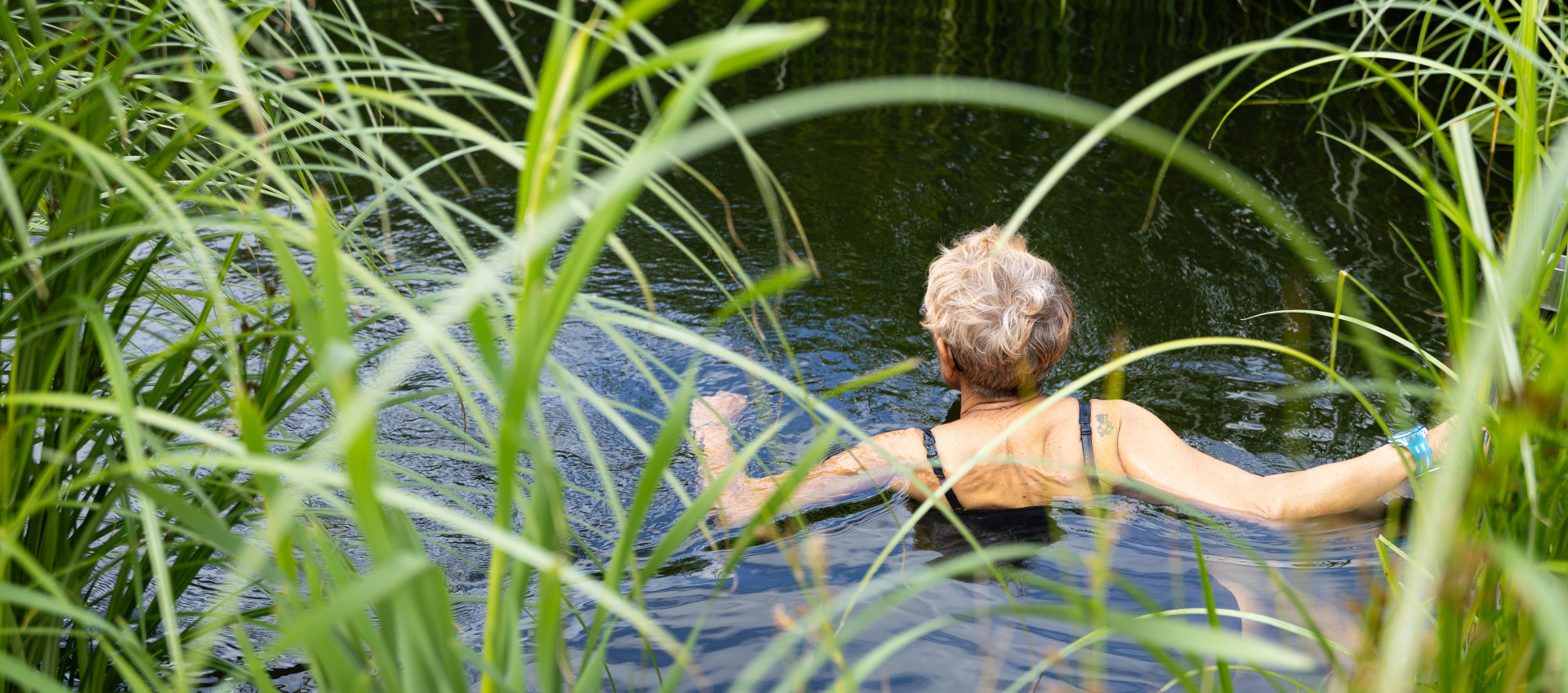
At Glass House Retreat, our natural outdoor swimming pond provides a way to connect with the surrounding Essex countryside through an outdoor water experience.
Set within our seven-acre retreat grounds, the pond offers a different setting from an indoor spa or purpose-built ice bath.
Guests interested in outdoor swimming should check the conditions and suitability of the experience before entering the water. Natural water can be unpredictable, so confidence in a swimming pool should never be mistaken for experience in cold open water.
5. Contrast Therapy: Combining Heat and Cold
Contrast therapy involves alternating between warm and cold environments, often using a sauna followed by a cold shower or cold water immersion.
The change between temperatures is a defining feature of the practice, making it different from spending time in cold water alone.
Some people enjoy contrast sessions as part of a relaxation or recovery routine. However, research into the wider health benefits remains mixed, and the practice isn't suitable for everyone.
At Glass House Retreat, our Finnish sauna and cold water facilities offer opportunities to explore different temperature experiences within a wider wellness setting.
If you're interested in combining them, it's sensible to ask the team about the appropriate facilities and suitability of the experience before planning your session.
The aim isn't to tolerate the greatest possible temperature difference. It's to enjoy an experience that feels considered, manageable and appropriate for your wellbeing.
6. Cryotherapy: Cold Therapy Without Water
Cryotherapy is an alternative form of cold exposure that uses very cold air rather than water.
Whole-body cryotherapy usually takes place inside a specially designed chamber, exposing the body to low air temperatures for a brief, controlled period.
Although cryotherapy is often discussed alongside cold water therapy, the two methods are not identical. Water and air transfer heat differently, and research findings for one approach cannot automatically be applied to the other.
At Glass House Retreat, our dedicated cryotherapy chamber offers a three-minute treatment as part of our wider spa and wellness offering.
For guests who are curious about cold exposure but prefer not to enter cold water, cryotherapy provides a distinct alternative, subject to individual suitability.
Our guide to cryotherapy and cold water treatments at Glass House Retreat explains more about the experiences available at our purpose-built wellness retreat and spa.
Choosing the Right Method for Your Wellbeing Goals
The most appropriate type of cold water therapy depends on your experience, comfort with cold temperatures and reasons for trying it.
If you're simply curious, a short cool shower may be a sensible starting point. If you prefer an outdoor experience, guided cold water activities or a suitable natural swimming environment may appeal.
Those interested in recovery after exercise might wish to explore the evidence behind cold water immersion, while people who would rather avoid water may prefer to investigate cryotherapy.
Whichever approach interests you, cold exposure carries risks. Sudden immersion can place strain on the cardiovascular system and trigger an involuntary gasp response.
Anyone with a heart condition, high blood pressure, respiratory concerns or another relevant medical condition should seek medical advice before trying cold immersion or cryotherapy.
There is no requirement to progress towards colder temperatures. A sustainable wellness routine is one that works with your needs, not against them.

Frequently Asked Questions About Cold Water Therapy
Can I practise cold water therapy after drinking alcohol?
No. Alcohol can impair your judgement and physical responses, increasing the risks associated with cold water immersion. Avoid cold water therapy after consuming alcohol.
Do I need to be a strong swimmer to try cold water therapy?
Not every method involves swimming. Cold showers and some supervised immersion experiences can be explored without swimming, although any activity involving a body of water requires appropriate safety precautions.
Should I hold my breath during cold water immersion?
No. Avoid deliberate breath-holding or hyperventilation exercises in or near water. These practices can increase the risk of losing consciousness and drowning.
Do I need to practise cold water therapy every day?
No. There is no established daily frequency that is necessary for general wellbeing. The appropriate approach depends on your health, experience and comfort, and taking breaks is entirely reasonable.
Try Cold Water Therapy at Glass House Retreat
At Glass House Wellness Retreat & Spa in rural Essex, we believe wellbeing should be personal, balanced and free from pressure.
Our approach brings together opportunities for rest, movement, nourishing food and carefully considered wellness experiences, helping you reconnect with yourself and discover what supports your own sense of wellbeing.
If you're interested in exploring cold exposure as part of your wellness journey, take a look at our cryotherapy and cold water treatments at Glass House Retreat.
Relax | Renew | Rebuild