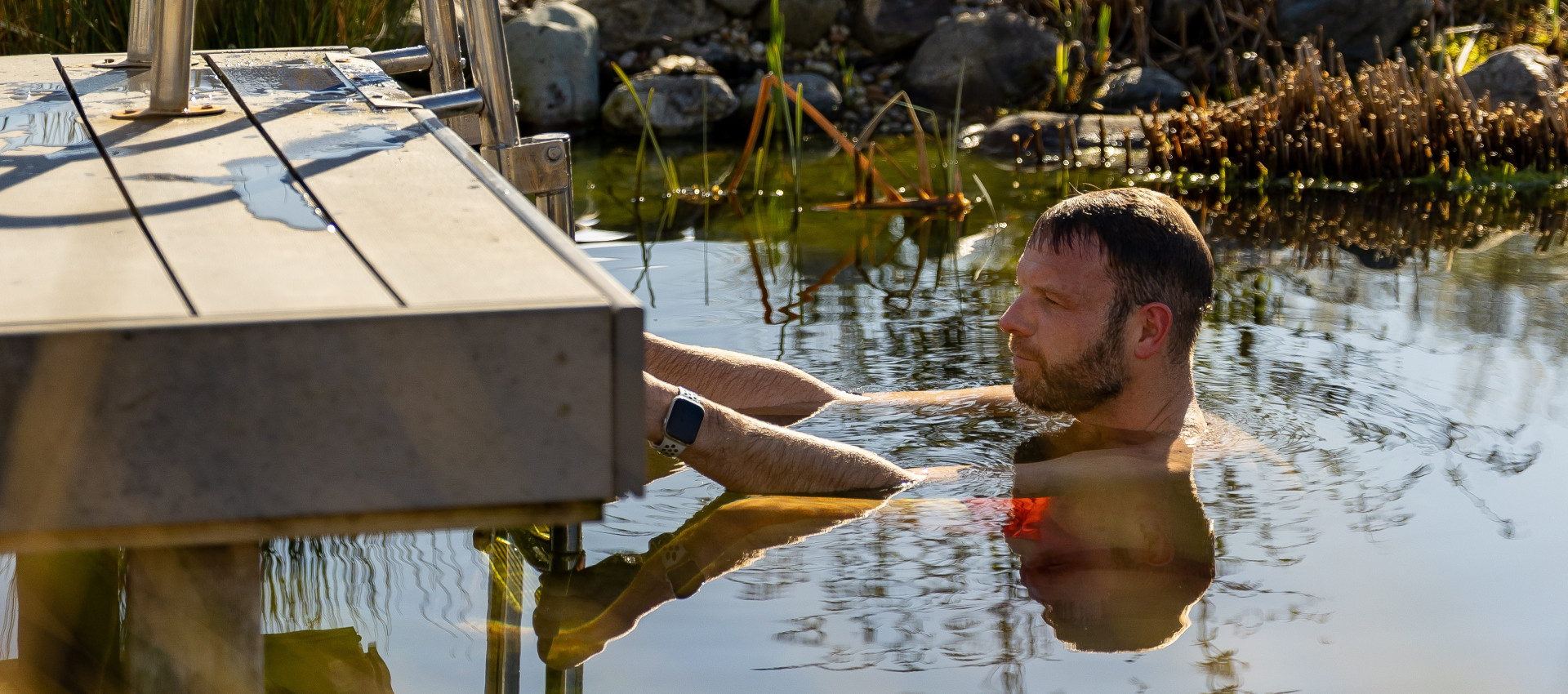
How to get into Cold Water Therapy
If you’re ready to, quite literally, get into cold water therapy, this is the guide for you. An invigorating practice that’s been embraced for thousands of years, controlled cold water exposure can have an array of amazing health benefits for body and mind. Able to be enjoyed in a range of settings and environments (think: cold showers, ice baths, plunge pools, lakes, the sea, and so on), it offers a wonderfully immersive way to revive.
Want to find out more? Here’s all you need to know to dip into this invigorating activity, from how cold exposure works and how to approach it safely to the benefits it may offer.
The Benefits of Cold Water Therapy
The benefits of cold water therapy are unique to everyone and come in a variety of forms. Though practiced for thousands of years, the science behind cold water therapy is still being unveiled, yet some reports suggest surprising effects. According to an article published by Bupa, cold water therapy is reported to help reduce muscle pain and inflammation, improve cardiovascular health, and boost the immune system too.
What’s more, cold water therapy is also believed to support general wellbeing and mental health by releasing feel-good endorphins. In theory, with regular practice, it can help dippers to feel more alert, resilient, and relaxed. Of course, many people simply enjoy the quiet invigoration of a cool shower, or the social occasion of cold water swimming with friends.
The Science and Evidence Behind Cold Water Therapy
When exposed to cold water, the human body responds in a number of ways. Even in temperatures between 10 and 15°C, breathing and heart rates increase, blood circulation slows, and neurotransmitters are triggered. While the benefits of cold water therapy post-dip are still being researched, anecdotal evidence points to a number of common effects. According to Wim Hof, one of the most significant benefits of cold water showers is “a more efficient metabolism”. Meanwhile, a 2025 study on the effects of cold water immersion on health and wellbeing found that “a significant reduction in stress was observed [in cold water swimmers] 12 hours post CWI exposure”.
Temperature, Duration and Frequency of Cold Water Therapy
If you’ve never tried cold water swimming before, it’s always best to introduce yourself to the practice gradually and in pairs or groups. And, if you have any medical issues or concerns, you should always consult your doctor first. Begin with cold water around 15°C, before gradually reducing this towards 10°C over time as your tolerance develops (or stick to 15°C if you prefer!). Lower yourself into water slowly, making sure you can get in and out with ease, and only stay in for one to two minutes initially as you get used to the practice. As with anything, it’s always best to keep exposure short, build tolerance slowly, and stop if you don’t feel well.
The Different Types of Cold Water Therapy
Cold water therapy is a flexible and enjoyable activity that can be practiced by most people. However, it’s also best to seek medical advice before you try anything new and adapt methods to meet your own needs. Giving you plenty of options, some of the main methods of cold water therapy include cold showers, cold plunges, ice baths, lake and sea swimming, contrast therapy, cryotherapy, and more. Many of these can be enjoyed locally to you or as part of retreat-based guided experiences. The latter is particularly popular if you are new to cold water therapy and would like to enjoy expert guidance and gather with like-minded individuals.
When to Do Cold Water Therapy
Everyone’s cold water therapy journey is deeply personal and can be tailored to individual lifestyles and needs. That said, popular times of day for cold showers and cold water dips are the morning and early afternoon, providing a feeling of alertness for the rest of the day and releasing mood-boosting endorphins. Pro-athletes often choose to practice cryotherapy or take cold water baths post-exercise to help the body’s recovery process. Meanwhile, cold water therapy too close to bedtime may make it more difficult to fall asleep due to its stimulating effects. Whatever your goals or routine, cold water therapy should never be practiced when you are feeling unwell, overtired, or if you have consumed alcohol.

Safety, Risks and Side Effects
It’s always important to practice cold water therapy in a safe and controlled environment. Even in temperatures around 15°C, the body can experience cold water shock. According to the RNLI:
“Anything below 15°C is defined as cold water and can seriously affect your breathing and movement.
Cold water shock causes the blood vessels in the skin to close, which increases the resistance of blood flow. Heart rate is also increased. As a result the heart has to work harder and your blood pressure goes up. Cold water shock can therefore cause heart attacks, even in the relatively young and healthy.
The sudden cooling of the skin by cold water also causes an involuntary gasp for breath. Breathing rates can change uncontrollably, sometimes increasing as much as tenfold. All these responses contribute to a feeling of panic, increasing the chance of inhaling water directly into the lungs.”
If you are practising cold water therapy in an open body of water, it’s also particularly important that you go in pairs or groups, understand the conditions, and be familiar with the Float to Live technique.

Try Cold Water Therapy at Glass House Wellness Retreat
If you can’t wait to begin your cold water therapy journey, we would love to welcome you to Glass House Retreat.
Located in the beautiful Essex countryside, our tranquil haven is the perfect place to enjoy some dedicated you-time. As well as our natural swimming pond, sauna, spa facilities, and cryotherapy treatments, our guided wellness retreats can ease you into cold water therapy with expert guidance and support.
Book your stay at our cold water therapy retreat in Essex and see what benefits you enjoy.